Reviewing Teddy Beart Opening Gift Redwork for Craft Fairs
As an embroidery designer who has spent countless weekends behind a booth table, I know that not every machine embroidery design translates into a bestseller. Some designs look beautiful on a screen but fail to catch the eye of a passing customer. Today, I am reviewing the Teddy Beart Opening Gift Redwork with a critical, business-minded eye. My goal is to determine if this specific motif has what it takes to become a staple craft fair product for your upcoming season.
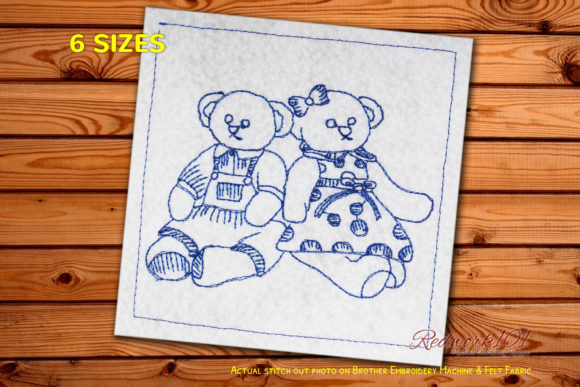
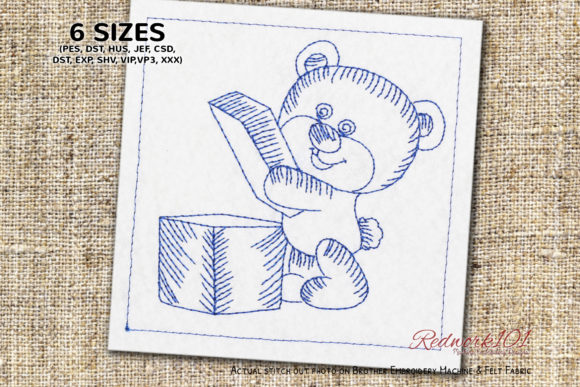
When I first pulled up the preview for this design, my immediate impression was one of nostalgic charm. The term "Redwork" immediately signals a specific aesthetic: traditional, clean, and timeless. Unlike complex, multi-colored designs that can sometimes look busy or cheap if the thread quality is poor, redwork relies on simplicity and contrast. This particular design features a teddy bear, likely in a pose suggesting the opening of a gift, which aligns perfectly with the gifting nature of handmade items. It feels soft, decorative, and inherently welcoming. For a Valentine S Day collection, this is a strong contender because it avoids being overly romantic or cliché, appealing instead to a broader audience who loves cute, classic imagery.
Visual Appeal and First Impressions
In a crowded market environment, you have seconds to capture attention. The Teddy Beart Opening Gift Redwork succeeds here because of its high contrast potential. Red thread on white or cream fabric is visually striking from a distance. This makes it an excellent choice for tote bag design applications where you need the item to pop on a display rack. The silhouette of a teddy bear is universally recognized and loved, triggering an emotional response that often leads to impulse buys. It feels like a premium, thoughtful addition rather than a mass-produced graphic.
However, we must consider the description note regarding the optional box stitch. The fact that the outer box color varies or can be skipped offers flexibility. For a modern, minimal look, skipping the box allows the bear to stand alone, which works beautifully on smaller items like embroidered patch creations or pocket accents on shirts. If you include the box, it frames the design, making it feel more like a complete picture, which is ideal for wall hangings or larger pillow covers.
Product Applications for Maximum Sales
To maximize revenue, you need to place the right design on the right substrate. Here is how I would deploy this digital embroidery file across my product line:
- Tea Towel Embroidery: This is arguably the best home for redwork. A set of two flour sack towels with this bear design sells exceptionally well as housewarming or holiday gifts. The lightweight fabric handles the single-color stitching without puckering, provided you use the correct stabilizer.
- Apron Embroidery: Placing the design on the bib of a canvas or cotton apron creates a charming, cottage-core vibe. It appeals to bakers and gardeners, two huge demographics at craft fairs.
- Tote Bags and Market Bags: Use this as a focal point on natural canvas totes. The red thread contrasts beautifully against the beige background, creating a rustic yet polished look.
- Small Pouches and Zipper Bags: If the design scales down well, it becomes a cute accent on cosmetic bags or pencil cases. This turns a simple utility item into a small shop product with personality.
For Etsy seller strategies, this design is highly photogenic. Red on white photographs cleanly, requiring less editing to make the colors pop in your printable mockup listings. It creates a cohesive brand look when paired with other redwork designs, allowing you to build a themed collection that encourages multiple purchases.
Production Practicality and Batch Efficiency
From a production standpoint, speed is money. Redwork designs are generally faster to stitch than full-coverage satin stitch designs because they utilize running stitches or simple fills. The Teddy Beart Opening Gift Redwork appears to be efficient, which means you can produce more units in less time. This is crucial for meeting the demand of a busy weekend fair or fulfilling a large order for a boutique client.
Because it uses primarily one thread color (red), you minimize machine downtime for thread changes. This consistency also reduces the risk of user error during batch production. You can hoop five tote bags, start the machine, and walk away with confidence that each unit will look identical. This repeatability is key to maintaining brand consistency and ensuring every customer receives a high-quality finished product.
Critical Design Notes and Careful Use
While this design is promising, there are technical considerations to address before you commit to production. As an experienced designer, I always advise testing on scrap fabric first. Here are specific areas to watch:
- Fabric Texture: Redwork shows every imperfection. On textured towels, ensure the needle is sharp enough to penetrate without causing pulls. On smooth cottons, check for puckering. Using a cut-away or tear-away stabilizer appropriate for the fabric weight is non-negotiable.
- Stitch Density: Although redwork is typically light, check the density of the bear’s features. If the stitches are too close together on thin fabric, it may cause gathering. If they are too sparse on thick fabric, the backing might show through.
- Dark Fabric Challenges: Red thread on black or navy fabric can lack contrast and may look muddy. This design is best suited for light-colored fabrics like white, cream, ivory, or light gray. If you must use dark fabric, consider changing the thread color to white or gold, though this deviates from the traditional redwork style.
- Curved Surfaces: If applying this to caps, be mindful of the curvature. The design should be centered carefully, and you may need to adjust the pull compensation settings in your software to prevent distortion on the curved front panel.
- Scaling Limits: Test the design at its smallest intended size. Tiny details in the bear’s face or the gift box may merge or disappear if scaled down too far. Ensure the hoop size you choose accommodates the design without excessive re-hooping.
Enhancing Value and Buyer Engagement
The perceived value of a handmade item is heavily influenced by the quality of the embroidery. Clean, crisp stitches signal professionalism. The Teddy Beart Opening Gift Redwork, when executed well, elevates a simple textile into a heirloom-quality piece. It suggests care and tradition, which justifies a higher price point compared to plain goods.
To leverage this in your marketing, highlight the "handmade" aspect. Use tags that mention "traditional redwork" or "classic embroidery." For your commercial embroidery clients, emphasize that this design is versatile and timeless, meaning it won't go out of style next season. This makes it a safe investment for retailers looking for evergreen design assets.
Finally, always verify the licensing terms. Before selling any handmade product featuring this design, confirm that your purchase of the embroidery file includes commercial rights. Most designers offer different licenses for personal versus commercial use, and respecting these terms protects your business reputation.
In conclusion, the Teddy Beart Opening Gift Redwork is a strong addition to a craft fair lineup. Its simplicity, combined with the emotional appeal of the teddy bear motif, makes it a versatile seller across various products. By paying attention to fabric choice, stabilizer selection, and presentation, you can turn this digital file into a profitable, eye-catching component of your Valentine S Day or year-round inventory. Remember, the key to success lies not just in the design itself, but in how thoughtfully you apply it to create a desirable, high-quality finished product that customers are proud to own or gift.