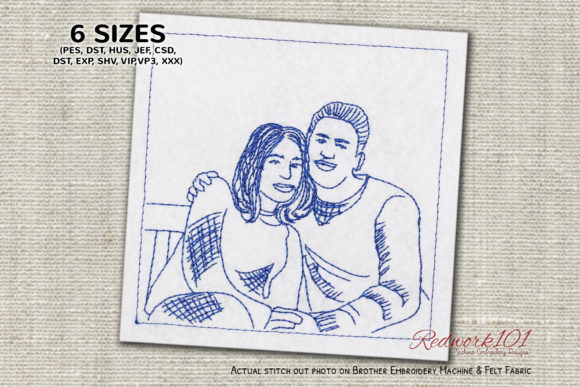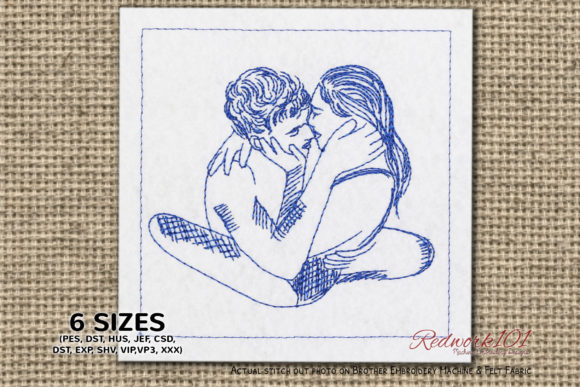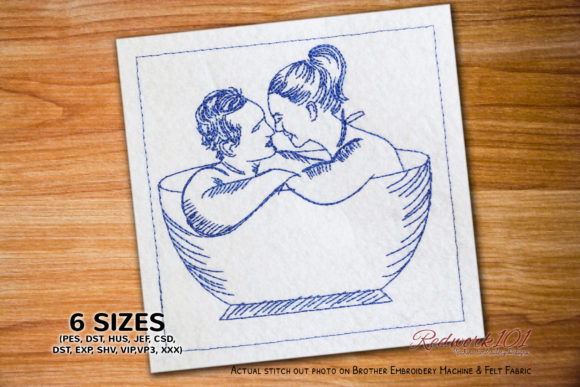
Reviewing the Couple in Bathtub Lineart Design
As an embroidery designer who has spent years digitizing patterns and testing them on everything from flimsy silk to heavy terry cloth, I approach every new machine embroidery design with a mix of excitement and scrutiny. When I first loaded the Couple in Bathtub Lineart Design into my software, I was looking for more than just cute aesthetics. I wanted to know if this file would hold up in a real-world production environment. Would it appeal to my customers? Is it practical for high-volume small shop product lines? After running several test stitches and mocking up various gift scenarios, I am ready to share my professional assessment of this charming piece.
First Impressions: Mood and Aesthetic Appeal
The immediate vibe of the Couple in Bathtub Lineart Design is one of understated romance and cozy intimacy. Unlike overly complex floral arrangements or dense satin-stitch hearts that can sometimes feel dated, this line art style feels modern, playful, and genuinely sweet. It captures a moment of relaxation and connection, which makes it incredibly versatile. While it naturally fits into the Valentine S Day category, its appeal extends far beyond February 14th. It speaks to anniversary gifts, wedding keepsakes, and even housewarming presents for couples who appreciate minimalist decor.
The simplicity of the line work is its greatest strength. It avoids the "cluttered" look that can plague smaller embroidery projects. For an Etsy seller or a boutique owner, this means the design photographs beautifully. Clean lines translate well in product photos, allowing the thread colors to pop against the fabric without competing with excessive detail. It feels handmade yet polished, striking that elusive balance between amateur charm and professional quality.
Versatility Across Product Lines
One of the most compelling aspects of this design is its adaptability. I tested the Couple in Bathtub Lineart Design on several different substrates to see where it truly shines. Here is how it performs across various popular categories:
- Baby Embroidery and Nursery Decor: While the subject is a couple, the soft, rounded lines make it suitable for nursery items, particularly for parents who want to celebrate their union within the child’s space. It works wonderfully on blanket embroidery projects, adding a personal touch to heirloom-quality throws.
- Kitchen and Bath Linens: This is perhaps the strongest use case. An embroidered towel featuring this design makes for a delightful wedding gift or anniversary present. The line art holds up well on waffle weave and standard cotton towels, provided the stabilizer is chosen correctly.
- Apparel and Accessories: I envision this design prominently on tote bags and aprons. For a personalized gift shop, offering custom aprons for couples who love to cook together is a fantastic niche. The design also translates well to pillow cover accents, adding a whimsical touch to living room decor.
- Wedding Gifts: As a wedding gift, this design offers a unique alternative to traditional monograms. It represents the couple as a unit in a relaxed, happy state, which resonates with modern brides and grooms looking for something less formal.
Technical Considerations for Embroiderers
While the visual appeal is high, any experienced crafter knows that the devil is in the details. Before you list this as a commercial embroidery product, there are technical factors to consider to ensure a high-quality finished product.
Fabric Texture and Stabilizer Choice
Line art designs rely heavily on the precision of the stitch path. On textured fabrics like thick terry cloth towels, fine lines can sometimes get lost or appear jagged. I strongly recommend using a cut-away stabilizer for stretchy fabrics and a tear-away for stable woven cottons. If you are stitching on a plush towel, consider using a water-soluble topping to keep the stitches from sinking into the pile. This ensures the lines remain crisp and defined.
Thread Color and Contrast
The description notes that the outer box stitch is optional and often appears in a different color. In my testing, I found that skipping the box or matching it to the main thread color created a cleaner, more integrated look. However, if you choose to include the box, ensure there is sufficient contrast between the box color and the background fabric. Low contrast can make the design look muddy, especially from a distance. Always run a test on scrap fabric to check thread color interaction before committing to customer orders.
Hoop Size and Placement
Since specific dimensions were not provided in the initial file data, you must verify the hoop size requirements before purchasing or using the digital embroidery file. Line art can look sparse if scaled too large, or indistinct if scaled too small. For items like hand towels or tote bags, a medium-sized hoop usually offers the best balance of visibility and detail. Always center the design carefully, especially on curved surfaces like mug wraps or cylindrical pillows, to avoid distortion.
Navigating Potential Pitfalls
Every design has its limitations, and being aware of them helps manage customer expectations. The Couple in Bathtub Lineart Design requires careful handling in the following scenarios:
- Small Lettering Integration: If you plan to add names or dates below the design, ensure the font size is proportional. Tiny lettering near detailed line art can become illegible after washing. Keep text bold and simple.
- Dark Fabrics: Light-colored thread on dark fabric can sometimes show the underlying material through the stitches. Use a matching underlay or a top-stitch technique to ensure full coverage.
- Stretchy Materials: Baby clothes and knit fabrics shift during stitching. Without proper hooping and stabilizing, the clean lines of this design can warp, making the couple look distorted. Always stabilize heavily for knits.
- Frequent Washing: Items like kitchen towels and baby blankets undergo rigorous washing cycles. Ensure your thread tension is perfect to prevent puckering, which is more noticeable in line art than in dense fill stitches.
Boosting Perceived Value and Sales
From a business perspective, the Couple in Bathtub Lineart Design is a strong asset for increasing perceived value. Customers often associate clean, minimalist embroidery with higher-end boutique goods. By using this design on high-quality blanks, you elevate the handmade product from a simple craft to a desirable gift item.
To maximize engagement, create printable mockup images that show the design in situ. Show the embroidery on a folded towel tied with a ribbon, or on a tote bag filled with flowers. These visuals help buyers imagine the personalized gift in their own lives. Furthermore, highlighting the emotional connection—relaxation, love, partnership—can significantly boost conversion rates. Buyers are not just purchasing stitches; they are buying a feeling.
Final Verdict for Shop Owners
In conclusion, the Couple in Bathtub Lineart Design is a versatile, emotionally resonant addition to any embroidery portfolio. It bridges the gap between seasonal Valentine S Day merchandise and year-round home decor. For Etsy sellers and small business owners, it offers a low-risk, high-reward option for expanding product lines. Just remember to respect the technical requirements: check your stitch density, choose the right stabilizer, and always test on your specific fabric type.
Before launching this as a custom embroidery offering, confirm the commercial licensing terms associated with the embroidery file. Once cleared, this design has the potential to become a staple in your shop, appealing to anyone looking for a sweet, modern, and meaningful way to celebrate love. Whether for a wedding, an anniversary, or a cozy home update, this line art design delivers both charm and professionalism.