Romantic Boy Redwork: A Designer’s Craft Fair Review
As an embroidery designer who has spent countless weekends behind a craft fair table, I know that not every machine embroidery design translates into a bestseller. Some designs look beautiful on a screen but fail to capture attention in a busy booth. Today, I am reviewing Romantic Boy Redwork through the lens of a practical maker preparing for a high-traffic Valentine S Day market. This is not just about aesthetics; it is about viability, production speed, and customer appeal.
First Impressions and Visual Appeal
The first thing that strikes me about Romantic Boy Redwork is its simplicity. In a world saturated with complex, multi-colored satin stitches, redwork stands out for its nostalgic charm. The term "redwork" itself evokes a sense of heritage, farmhouse style, and timeless elegance. When I visualize this design on a display table, it does not scream for attention with neon brightness; instead, it invites the viewer closer. It feels soft, minimal, and decorative.
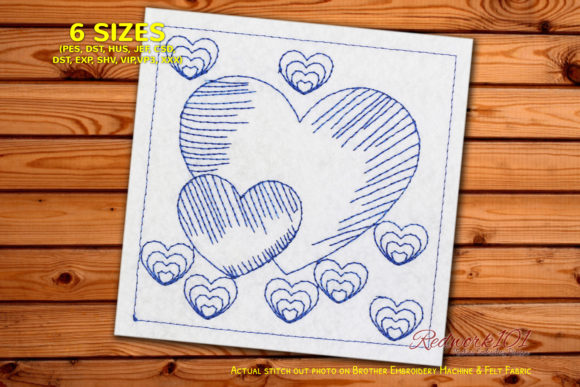
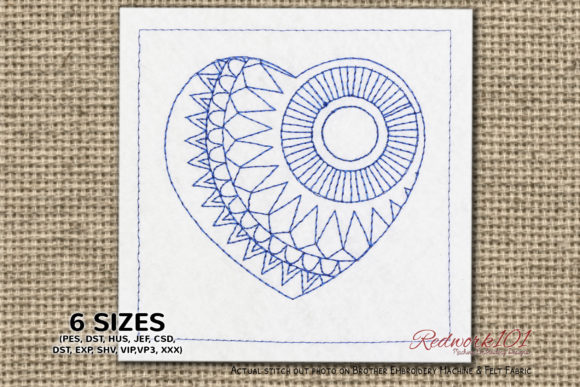
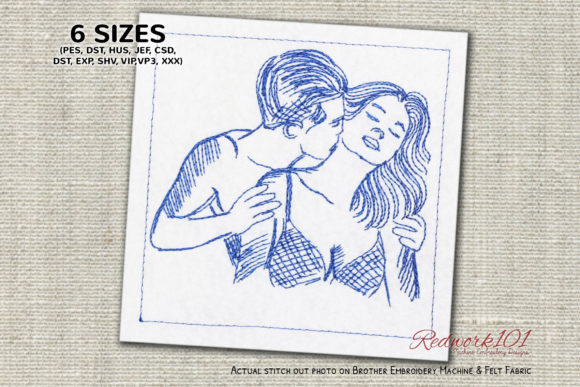
The description notes that the Box Stitch shown in promotional pictures is optional. This is a crucial detail for us as creators. It means we have flexibility. We can choose to frame the boy for a more structured, premium look, or leave it unboxed for a whimsical, floating effect. This adaptability is vital for a small shop product line because it allows us to create variety without buying multiple designs. The single-color nature of redwork also suggests that this design will be quick to stitch, reducing wear on our machines and thread inventory.
Product Application and Market Fit
Where does Romantic Boy Redwork truly shine? Based on my experience, redwork designs perform exceptionally well on natural fibers. Here is how I would deploy this embroidery file across different products for a craft fair:
- Tote Bag Design: A canvas tote with this design centered in classic red thread is an instant seller. It appeals to buyers looking for eco-friendly, reusable bags with a touch of vintage romance. The contrast of red on natural cotton is striking and photographs beautifully for online listings.
- Apron Embroidery: For the kitchen enthusiast, an apron featuring this boy adds a playful yet elegant touch. It works well as a focal point on the bib or as a smaller accent on the pocket. It transforms a utilitarian item into a giftable keepsake.
- Tea Towel Embroidery: Linen or flour sack towels are perfect for redwork. The texture of the fabric complements the simple running or backstitch aesthetic often associated with this style. These are low-cost items with high perceived value when branded correctly.
- Embroidered Patch: If the design scales down well, turning it into an iron-on patch allows customers to customize their own jackets or jeans. This expands your target audience beyond just home decor buyers.
- Pillow Covers and Market Bags: These items benefit from the "handmade quality" that redwork exudes. They feel artisanal rather than mass-produced, which is exactly what craft fair attendees are seeking.
For an Etsy seller, this design is gold for digital mockups. Because it is monochromatic, you can easily create printable mockup variations by changing the background fabric color in Photoshop or Canva. This helps you test which colorways resonate most with your audience before you stitch a single thread.
Production Practicality and Batch Selling
When preparing for a weekend market, time is money. Romantic Boy Redwork appears to be a low-density design. Low stitch density means faster run times and less risk of fabric puckering. This makes it ideal for batch production. I can hoop five tote bags at once, let the machine run, and move on to packaging while the next batch stitches out.
However, we must address the note regarding the outer box color. The description states, "The color of the outer Box is a different color in most of the designs unless it is part of the design itself, you can skip the color direc." This implies that if we choose to include the box, we might need a color change. For a craft fair product, I recommend keeping it single-color if possible to maintain the traditional redwork look and simplify production. If the box is essential, ensure the thread colors contrast sharply with the fabric. A red box on a red design against a white bag is cohesive; a mismatched box can look like an error.
Careful-Use Notes and Technical Considerations
While this design seems straightforward, there are pitfalls to avoid. As an experienced designer, I advise checking the following before committing to a large production run:
- Fabric Texture: Redwork relies on clear, crisp lines. Avoid highly textured fabrics like thick terry cloth or fuzzy fleece, as the stitches may get lost in the pile. Stick to smooth cottons, linens, and canvas.
- Stabilizer Choice: Even with low density, using the right stabilizer is non-negotiable. For lightweight tea towels, use a cut-away stabilizer to prevent distortion after washing. For sturdy tote bags, a tear-away may suffice, but test it first.
- Hooping and Size: The prompt does not specify the exact hoop size or dimensions. You must check the digital embroidery file details before purchasing. Ensure the design fits your intended product. A design that is too large for a cap brim will distort, while one that is too small on a pillow cover may look insignificant.
- Dark Fabric Challenges: Traditional redwork is red on white. If you attempt this on dark fabric, the red thread may not pop. You might need to switch to a brighter thread color or add an underlay, which changes the aesthetic. Stick to light or neutral fabrics for the best visual impact.
- Small Details: Inspect the design for tiny details or small lettering. If the "Romantic Boy" has intricate facial features or small elements, they may not stitch out cleanly at smaller sizes. Zoom in on the preview to ensure clarity.
Enhancing Brand Consistency and Buyer Engagement
Using Romantic Boy Redwork consistently across your booth can strengthen your brand identity. Imagine a table where every item, from the aprons to the tote bags, features this same charming motif. It creates a cohesive collection that looks professional and curated. This consistency helps buyers recognize your style and increases the perceived value of your finished product.
Furthermore, this design encourages engagement. Customers often ask about the technique. Explaining that it is a modern take on traditional redwork allows you to share the story behind the craft. Storytelling sells. It connects the buyer to the handmade process, making them more likely to purchase.
Final Designer Verdict
Before you list this as a commercial embroidery product, do your due diligence. Test the design on scrap fabric identical to your final products. Check the tension, inspect the back for messy threads, and wash the sample to ensure durability. Confirm the commercial licensing terms included with the design assets. Never assume; always verify.
In conclusion, Romantic Boy Redwork has strong potential for Valentine S Day and year-round sales. Its simplicity, versatility, and nostalgic appeal make it a smart choice for craft fair products. By focusing on high-quality materials, consistent branding, and careful production techniques, you can turn this simple embroidery motif into a profitable staple of your handmade business. Whether you are an experienced Etsy seller or a new boutique maker, this design offers a blend of charm and practicality that is hard to resist.