All Hearts Redwork Design: A Designer’s Review
As an embroidery designer who spends countless hours digitizing and testing files for commercial use, I am always cautious about adding new assets to my library. When I first encountered the All Hearts Redwork Design on Creative Fabrica, I was immediately drawn to its simplicity. In a market saturated with complex, multi-layered digitizations, there is a distinct elegance in redwork that appeals to both traditionalists and modern minimalists. I decided to put this design through its paces, evaluating it not just as a digital file, but as a component of real-world handmade products.
First Impressions and Visual Mood
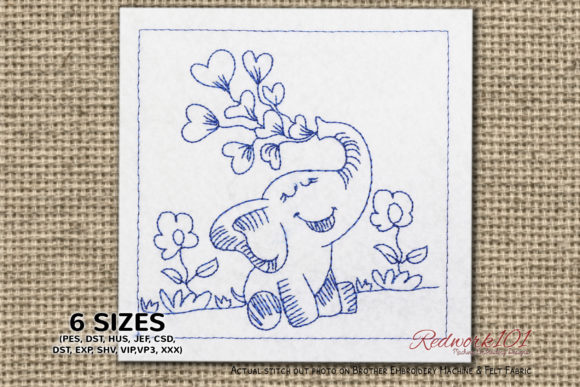
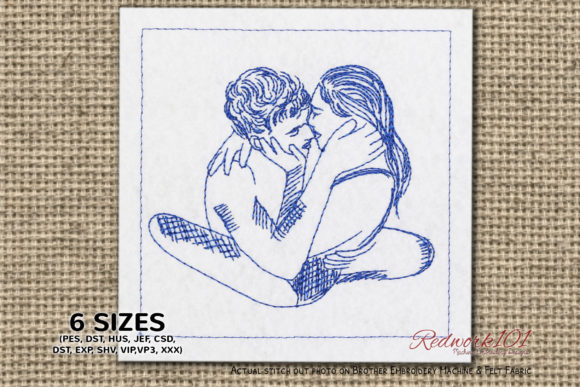
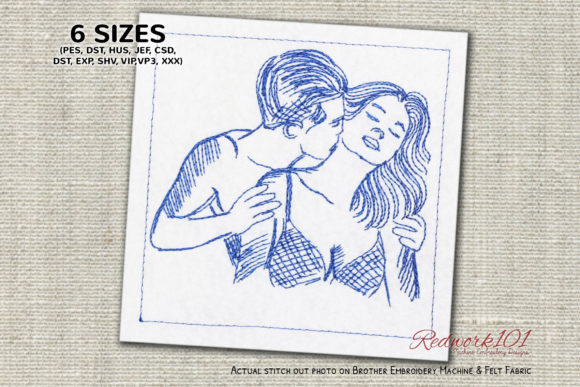
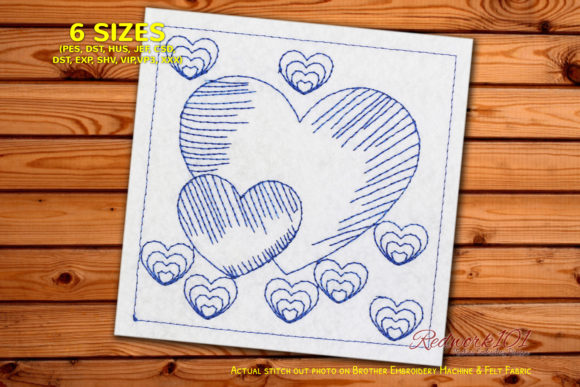
The initial appeal of the All Hearts Redwork Design lies in its clean lines and classic aesthetic. Redwork, historically rooted in early American embroidery, relies on a single color thread—traditionally red—to create striking contrast against light fabric. This particular collection captures that vintage charm while remaining versatile enough for contemporary applications. The visual mood is warm, affectionate, and timeless, making it a natural fit for the Valentine S Day season, though its utility extends far beyond February.
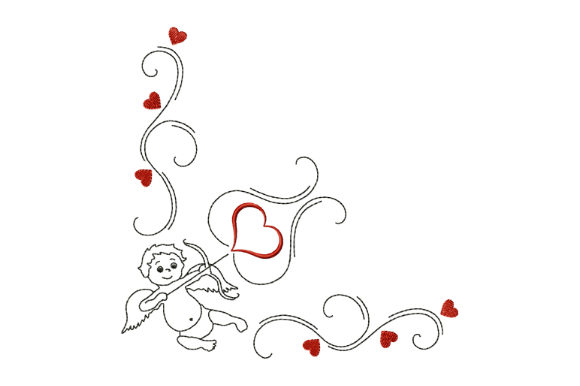
What stands out is the clarity of the stitching path. The design avoids unnecessary complexity, which is crucial for maintaining stitch integrity on various fabrics. The hearts are rendered with a balance of solid fills and open spaces, preventing the "cardboard effect" that often plagues poorly digitized fill stitches. For a designer, this means less time spent editing the file in software and more time focusing on production.
Performance in Real Embroidery Projects
To truly understand the value of any machine embroidery design, you must visualize it on finished goods. I evaluated how the All Hearts Redwork Design would perform across several common product categories for small business owners and Etsy sellers.
- Custom Apparel and Sweatshirts: On cotton or fleece sweatshirts, the design offers a crisp, professional look. Because redwork typically uses running stitches or simple satin borders, it lays flat against the fabric, avoiding the bulkiness that can make garment embroidery uncomfortable to wear.
- Tote Bags and Aprons: Canvas and twill fabrics provide an excellent backdrop for this style. The high contrast of red thread on natural beige or white canvas creates a boutique-quality tote bag design that appeals to customers looking for understated elegance.
- Kitchen Towels and Linens: This is perhaps the most traditional application. The design’s simplicity ensures it holds up well after repeated washing, provided the correct stabilizer is used. It transforms a plain flour sack towel into a thoughtful personalized gift.
- Embroidered Patches: For those creating iron-on or velcro patches, the closed shapes within the heart motifs allow for clean merrowed edges. The design scales well, maintaining its identity even when reduced for smaller patch applications.
Practical Considerations for Stitching
While the design is visually appealing, practical execution requires attention to detail. Here are the technical aspects I considered during my review:
Fabric and Stabilizer Selection
Redwork highlights every imperfection in the fabric because there are no dense fill stitches to hide puckering. When working with stretchy fabrics like jersey for sweatshirt embroidery, using a high-quality cut-away stabilizer is non-negotiable. For woven fabrics like linen or cotton, a tear-away stabilizer may suffice, but I recommend testing on scrap fabric first. The goal is to ensure the stitch density does not distort the material.
Thread Color and Contrast
The beauty of this design relies heavily on thread choice. While traditional red is iconic, do not feel limited. I experimented with deep burgundy for a sophisticated look and bright coral for a modern twist. However, always check the contrast against your base fabric. On dark fabrics, standard red may get lost; consider using a lighter shade or a metallic thread to ensure the running stitch outlines remain visible.
Hoop Size and Placement
One of the advantages of this collection is its adaptability to various hoop size constraints. Whether you are using a 4x4 inch hoop for caps or a 5x7 inch hoop for larger tote panels, the design fits comfortably. When embroidering on curved surfaces like caps, ensure you are using appropriate cap frames and stabilizers to prevent shifting. The optional box stitch mentioned in the product description can serve as a helpful alignment guide, though many designers may choose to skip it for a cleaner, borderless look.
Commercial Value and Brand Consistency
For creative entrepreneurs, the ultimate question is whether this asset adds value to their brand. The All Hearts Redwork Design supports a cohesive brand aesthetic that values craftsmanship and tradition. Using consistent design elements across your product line—such as matching heart motifs on aprons, towels, and pillows—creates a recognizable visual identity.
In terms of product photography, simple designs often photograph better than complex ones. They allow the texture of the fabric and the quality of the stitching to take center stage. This can significantly enhance buyer trust, as customers can clearly see the precision of your work. For commercial embroidery businesses, offering these classic designs can attract a demographic that prefers subtle, long-lasting decor over trendy, flashy graphics.
Licensing and File Details
Before integrating any digital embroidery file into your workflow, it is essential to verify the licensing terms. Creative Fabrica generally offers generous licenses for physical end products, but you must confirm the specific terms for the All Hearts Redwork Design on the product page. Ensure you understand the restrictions, if any, regarding digital resale or print-on-demand services.
Additionally, check the available file formats. Most modern machines require DST, PES, or JEF files. Confirm that the package includes the format compatible with your specific machine. If the product description notes that the outer box stitch is optional or varies in color, plan your thread changes accordingly. You may need to program your machine to skip certain color stops if you prefer a seamless single-color run.
Final Verdict
The All Hearts Redwork Design is a solid addition to any embroidery designer’s toolkit. It bridges the gap between traditional craft and modern commercial application. Its strength lies in its versatility and ease of use. For beginners, it offers a forgiving learning curve with minimal risk of puckering. For experienced professionals, it provides a reliable, quick-stitching option for high-volume orders like holiday gifts or wedding favors.
If you are looking to expand your Valentine S Day offerings or simply add a touch of classic charm to your everyday inventory, this design is worth considering. Just remember to test on your specific fabric combinations, choose your thread colors wisely, and always prioritize proper stabilization. By doing so, you can transform this simple digital asset into a high-value finished product that resonates with customers seeking quality and heart in their handmade items.