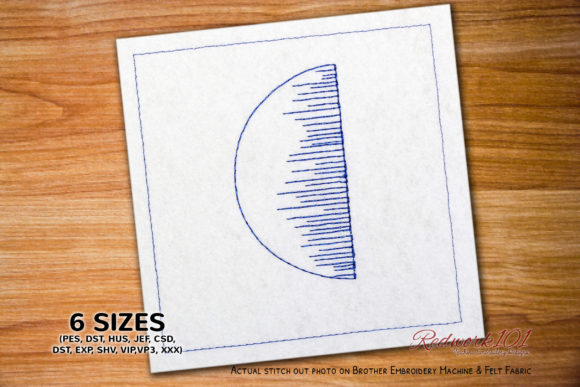
First Quarter: A Designer’s Review for Boutique Apparel
As an embroidery designer who spends countless hours digitizing and testing patterns for boutique collections, I am always on the lookout for designs that offer both aesthetic appeal and technical reliability. When I recently browsed the Creative Fabrica embroidery library, the First Quarter design caught my eye. It sits comfortably within the Inspirational category, offering a visual language that feels both modern and timeless. For those of us running small clothing brands or Etsy shops, finding a versatile machine embroidery design that translates well across various garments is crucial. Here is my professional assessment of how First Quarter performs in real-world apparel applications.
Visual Personality and Stitching Mood
The first impression of First Quarter is one of understated elegance. It does not scream for attention with excessive complexity; rather, it invites a closer look. The design possesses a decorative strength that feels premium yet approachable. Depending on your thread choice, it can lean towards minimal and trendy or classic and rustic. This flexibility is vital for a boutique brand that needs to maintain visual consistency across different seasonal drops.
One specific technical note mentioned in the product details is regarding the outer box. The description states that the Box Stitch shown in pictures is optional and that the color of the outer box is often a different color unless it is part of the design itself. This is a significant detail for production efficiency. Being able to skip a color directly in your embroidery software allows for faster run times and reduced thread breaks, which is a major plus when producing bulk orders for a small shop product line.
Performance on Sweatshirts and Hoodies
The primary test for any inspirational embroidery piece is how it handles heavier fabrics. I imagined placing First Quarter on a range of neutral sweatshirts and pastel hoodies. On fleece and French terry, the design holds its shape remarkably well. For hoodie chest placement, the scale appears balanced, offering enough presence without overwhelming the garment. The stitch density seems appropriate for these thicker materials, preventing the common issue of the design sinking into the pile of the fabric.
For oversized garments, which are currently dominating streetwear trends, this design works beautifully as a sleeve accent or a small left-chest logo. It adds that custom apparel touch that buyers look for when paying premium prices. However, when working with curved surfaces like the shoulder or sleeve, I recommend careful hooping. The design’s structure requires a stable foundation to ensure the lines remain crisp and do not distort during wear.
Considerations for Dark and Stretchy Fabrics
When applying this design to dark apparel, thread color contrast becomes your most important tool. A matte metallic or a bright pastel thread can make the First Quarter motif pop against black or navy cotton. However, caution is needed with stretchy fabrics and ribbed cuffs. While the design is robust, high-stretch areas can cause puckering if the stabilizer choice is incorrect. I always advise using a cut-away stabilizer for knitwear to provide long-term support, ensuring the embroidery remains intact after multiple washes.
Versatility Beyond Apparel
A strong digital embroidery file should not be limited to just one product type. I see significant potential for First Quarter in tote bag design and denim jackets. On canvas totes, the texture of the fabric complements the stitching mood, creating a rustic, handmade product feel that resonates with eco-conscious consumers. For denim jackets, the design serves as an excellent back design element or a pocket accent. The durability of the stitches suggests it can withstand the friction associated with outerwear.
For t-shirt embroidery, the key is managing the stitch density. If the design is too dense for a lightweight jersey, it may cause the fabric to pucker. I recommend testing on scrap fabric that matches the weight of your final t-shirts. If the density is high, consider using a water-soluble topping to keep the stitches floating above the fabric texture, maintaining a clean and professional presentation.
Enhancing Brand Identity and Value
In the world of commercial embroidery, consistency builds trust. Using a cohesive design like First Quarter across your collection helps establish brand identity. Whether it is on a cozy seasonal outfit or a year-round staple, the design contributes to product recognition. When customers see consistent quality and style, their engagement with your brand deepens. This is particularly important for Etsy sellers and creative entrepreneurs who rely on repeat business and positive reviews.
Furthermore, the visual appeal of this design translates well into marketing assets. It photographs beautifully for lifestyle product photos and social media graphics. The clean lines and balanced composition make it ideal for printable mockups, allowing you to showcase the finished product online before you even stitch a single thread. This capability streamlines the pre-launch phase of your small clothing brand, saving time and resources.
Practical Embroidery Designer Notes
Before integrating First Quarter into your production workflow, there are several practical steps I recommend taking. First, always test on scrap fabric that closely mimics your final garment. This allows you to check the stabilizer choice and inspect the stitch density without risking expensive inventory. Second, review the thread color contrast carefully. Since the outer box color can be skipped or changed, plan your thread palette to maximize visual impact.
Confirm the hoop size required for the design. While the description does not specify exact dimensions, ensuring your machine’s hoop capacity matches the design size is essential to avoid re-hooping errors. Additionally, always check the Creative Fabrica product details and licensing terms before selling finished apparel. Understanding the commercial embroidery license ensures you are protected and compliant while growing your business.
Finally, consider the placement options. Compare how the design looks on the left chest versus the center back. Sometimes, a slight adjustment in position can change the entire vibe of the garment, shifting it from casual to bold or from feminine to minimalist. Take the time to experiment with these variables to find the perfect fit for your specific audience.
Final Thoughts on First Quarter
In summary, First Quarter is a solid addition to any embroidery designer’s library. Its versatility across sweatshirt embroidery, hoodie design, and accessory applications makes it a valuable asset for boutique brands. The ability to customize the outer box color adds a layer of flexibility that simplifies production. By paying attention to fabric texture, stabilizer selection, and placement, you can leverage this Inspirational embroidery piece to create high-quality, desirable products. For the handmade business owner looking to elevate their offerings, this design offers the professional polish needed to stand out in a crowded market.