Owl Redwork Review for Boutique Apparel
As an embroidery designer who spends countless hours digitizing and testing files for boutique collections, I have learned that the difference between a bestseller and a dead-stock item often comes down to the simplicity and versatility of the design. Recently, while curating assets for an upcoming autumn sweatshirt line, I came across Owl Sitting Upon a Tree Branch Redwork on Creative Fabrica. For those of us in the business of custom apparel, finding a machine embroidery design that balances whimsical charm with professional cleanliness is no small feat. This review breaks down why this specific Birds category item might be the missing piece in your next Embroidery project lineup.
First Impressions: Visual Personality and Stitching Mood
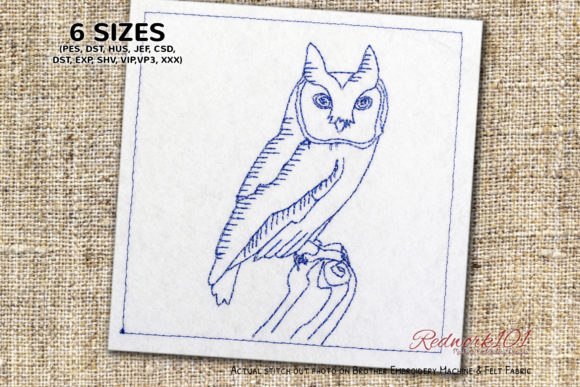
The first thing that struck me about Owl Sitting Upon a Tree Branch Redwork was its understated elegance. In a market saturated with overly complex, high-density fills that can stiffen fabric and distort garments, this design offers a breath of fresh air. The redwork style implies a single-color or limited-color palette, which immediately signals a rustic, classic, and timeless aesthetic. It feels less like a cartoon and more like a traditional folk art motif, which appeals to a broader demographic than typical cute animal designs.
The visual personality here is playful yet minimal. The owl is perched calmly, suggesting a sense of wisdom and tranquility rather than chaotic energy. This makes it suitable for both children’s wear and adult boutique brands. The detail level is sufficient to identify the subject clearly without relying on tiny, fragile stitches that might break during washing or wear. For a handmade product seller, this balance is crucial. It looks premium because it respects the fabric, allowing the texture of the garment to shine through rather than burying it under threads.
Versatility Across Apparel and Accessories
When planning a collection, I always look for designs that can work across multiple product types. Owl Sitting Upon a Tree Branch Redwork demonstrates impressive flexibility. Here is how I envision it performing in a real-world shop scenario:
- Sweatshirt Embroidery: On neutral cream or oatmeal-colored sweatshirts, this design acts as a focal point without overwhelming the garment. The open nature of redwork prevents the "cardboard effect" often seen with heavy satin stitches on fleece.
- Hoodie Design: For a hoodie chest placement, the silhouette is compact enough to sit neatly above the pocket or on the left chest. It also works beautifully as a sleeve accent, adding a subtle touch of branding or decoration that customers love.
- T-Shirt Embroidery: Because the stitch density appears moderate, this is safe for lighter cotton jerseys. It adds value to a basic tee, transforming it from a blank canvas into a finished product ready for retail.
- Tote Bag Design: Canvas bags benefit hugely from this type of imagery. The rustic vibe pairs perfectly with natural fiber textures, making it an ideal addition to eco-friendly merchandise lines.
- Denim Jackets: Imagine this embroidered on the back yoke or the collar of a denim jacket. The contrast of thread against denim creates a striking, vintage-inspired look that appeals to the handmade business owner targeting trendy, youthful markets.
For Etsy sellers and small shop product developers, this versatility means you can create a cohesive collection using one digital embroidery file. You can market it as part of a "Woodland Wisdom" series, pairing it with other nature-inspired motifs for a consistent brand identity.
Strategic Placement and Fabric Considerations
While the design is versatile, successful execution requires attention to detail. As an experienced decorator, I advise caution when placing any embroidery on stretchy fabric or curved surfaces. Here are my practical notes for using Owl Sitting Upon a Tree Branch Redwork:
- Stabilizer Choice: Even with lower density designs, stabilizer is non-negotiable. For sweatshirts and hoodies, use a cut-away stabilizer to prevent puckering over time. For woven tote bags or denim, a tear-away may suffice, but always test first.
- Fabric Texture: This design shines on fabrics with visible texture, such as French terry, fleece, or linen. Avoid using it on slippery synthetics unless you have extensive experience hooping difficult materials, as the open spaces in redwork can sometimes shift if the fabric moves.
- Dark Garments: Since redwork traditionally uses a single color, ensure you choose a thread color that contrasts well with your garment. A bright white or gold thread on a navy hoodie creates a sophisticated, high-end look. Avoid low-contrast combinations that make the design disappear.
- Curved Surfaces: If placing this on a sleeve or a curved pocket, hoop carefully to avoid distortion. The tree branch element provides a horizontal line that can help visually anchor the design, so ensure it is stitched level.
It is also worth noting the product description mentions that "The Box Stitch shown in the picture is optional." This is a significant advantage for commercial embroidery. It allows you to customize the presentation. You can omit the box for a cleaner, modern look on minimalist apparel, or include it if you want a framed, patch-like appearance. Always check the specific embroidery file instructions to see how to toggle this feature in your machine software.
Enhancing Brand Value and Customer Engagement
In the world of online sales, visual consistency drives buyer trust. Owl Sitting Upon a Tree Branch Redwork contributes to a professional presentation because it is clean and recognizable. When used in lifestyle product photos, the simple lines photograph well, avoiding the visual noise that complex designs often create on social media graphics.
For a boutique brand, this design helps establish a niche. It signals to the customer that the item is not mass-produced but crafted with care. The association with Birds and nature taps into the popular cottagecore and rustic trends, increasing customer engagement. When buyers see a well-executed embroidery on a cozy seasonal outfit, they perceive higher value, justifying a higher price point for your custom apparel.
Practical Designer Notes for Production
Before running a full batch for your small clothing brand, follow these steps to ensure quality control:
- Test on Scrap Fabric: Always stitch out a test on the exact same material and layering (fabric plus stabilizer) you intend to use for production. This confirms the hoop size compatibility and tension settings.
- Check Thread Color Contrast: View your test stitch under different lighting conditions. What looks good in the studio might look flat in natural light.
- Inspect Stitch Density: Run your finger over the finished test. It should feel integrated with the fabric, not like a plastic patch sitting on top. If it feels too stiff, adjust your tension or consider a lighter weight thread.
- Review Licensing: Before selling finished apparel, confirm the license terms on Creative Fabrica. Most designs allow for physical sales, but it is vital to read the specific details for the digital embroidery file you purchase to ensure compliance for commercial embroidery projects.
- Verify File Formats: Ensure the download includes the format compatible with your specific machine. While most modern machines read common formats, having the correct file prevents conversion errors that can alter stitch count or pathing.
In conclusion, Owl Sitting Upon a Tree Branch Redwork is a strong contender for any embroidery designer’s library. It offers the perfect blend of simplicity and character, making it ideal for sweatshirt embroidery, hoodie designs, and various boutique merchandise. By paying attention to stabilizer choice, thread contrast, and placement, you can transform this digital asset into a high-profit physical product. For the Etsy seller or creative entrepreneur looking to expand their autumn or winter collection, this design provides a reliable, stylish, and commercially viable option that resonates with today’s consumers.