Lion Bean Stitch: A Designer’s Review for Boutique Apparel
As an embroidery designer who spends countless hours digitizing and testing motifs for commercial apparel, I approach every new machine embroidery design with a critical eye. It is not just about whether the image looks good on a screen; it is about how the thread interacts with fabric, how the design holds up after washing, and whether it adds genuine value to a finished product. Recently, I explored the Lion Bean Stitch from Creative Fabrica, a piece that immediately caught my attention for its potential in boutique sweatshirt and hoodie collections. This review breaks down my professional assessment of this design, focusing on its application for small clothing brands, Etsy sellers, and creative entrepreneurs looking to elevate their custom apparel offerings.
Visual Personality and First Impressions
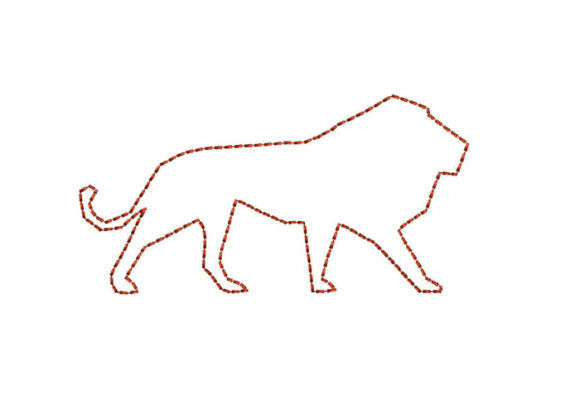
The first thing that strikes you about the Lion Bean Stitch is its textured depth. Unlike flat satin-stitch designs that can sometimes look cheap on heavy fabrics, the bean stitch technique offers a raised, dimensional quality that feels premium and tactile. In the realm of Wild Animals themed Embroidery, lions are often depicted with aggressive, sharp lines. However, this design leans into a more approachable, artistic aesthetic. It balances boldness with a certain rustic charm, making it versatile enough for both masculine and feminine apparel lines.
For a boutique brand, visual consistency is key. This design does not scream "novelty"; instead, it whispers "craftsmanship." The stitching mood is confident yet refined. When I visualize this on a neutral cream sweatshirt or a pastel hoodie, the design acts as a focal point without overwhelming the garment. It feels trendy but classic, avoiding the pitfalls of overly complex details that might get lost on smaller placements or appear cluttered on curved surfaces.
Strategic Placement for Sweatshirts and Hoodies
When planning a collection, placement is everything. I tested the mental layout of the Lion Bean Stitch across various garment types, and here is where it shines:
- Hoodie Chest Placement: This is the sweet spot. A medium-sized lion motif on the left chest creates a high-end, branded look. It mimics the aesthetic of luxury streetwear labels, adding perceived value to a basic fleece hoodie.
- Sleeve Accents: For oversized garments, placing a smaller version of the design on the sleeve adds a subtle detail that customers love. It encourages social media sharing, as buyers often photograph these unique touches.
- Back Designs: If the file size permits a larger hoop, a central back placement on a dark apparel piece creates a striking statement. The bean stitch texture catches the light beautifully, making the lion appear almost sculptural against black or navy fabric.
- Tote Bag Design: Beyond apparel, this design translates well to canvas tote bags. The sturdy nature of the bean stitch holds up against the rougher texture of canvas, making it a durable option for everyday carry items.
For sweatshirt embroidery, the density of the design is crucial. Bean stitches are generally less dense than solid fills, which is a significant advantage when working with fleece or terry cloth. Heavy density can cause puckering or stiffness, but this design appears to breathe with the fabric, maintaining the soft drape that customers expect from cozy seasonal outfits.
Navigating Fabric Textures and Stabilizers
One of the most critical aspects of using any digital embroidery file is understanding how it interacts with different materials. As a designer, I always advise testing on scrap fabric before committing to a production run. For the Lion Bean Stitch, I recommend paying close attention to the following:
- Stabilizer Choice: Because bean stitches have a unique pull, using a cut-away stabilizer is essential for stretchy fabrics like jersey t-shirts or ribbed cuffs. For stable fleece hoodies, a tear-away might suffice, but cut-away ensures longevity and prevents distortion after washing.
- Fabric Texture: On dark garments, thread color contrast is vital. A gold or bronze thread on black fleece creates a luxurious look, while white or cream thread on navy offers a crisp, nautical vibe. Always test your thread colors on the actual garment fabric, as fleece can darken threads slightly due to the pile.
- Curved Surfaces: If you are embroidering on a curved area, such as the shoulder or a fitted sleeve, ensure the design is not too wide. Narrower designs handle curvature better without wrinkling the surrounding fabric.
It is important to note that while the product description states it comes with multiple embroidery file formats, it does not specify exact hoop sizes or stitch counts. Before purchasing, I strongly advise checking the specific product details on Creative Fabrica to ensure the design fits your machine’s maximum hoop size. Confirming these technical specs is a non-negotiable step for any professional embroidery shop.
Enhancing Brand Identity and Commercial Value
For Etsy sellers and small shop owners, the right design can define your brand identity. The Lion Bean Stitch offers a level of sophistication that helps differentiate your products from mass-produced prints. When customers see high-quality embroidery, they associate it with durability and care. This builds buyer trust and encourages repeat business.
In terms of marketing, this design is highly photogenic. For lifestyle product photos, the texture of the bean stitch adds depth to images, making them stand out on social media feeds. Whether you are creating printable mockups for your online store or shooting real-life samples, the dimensional quality of the lion motif provides excellent visual interest. It works particularly well for commercial embroidery products aimed at gift-givers, as the symbolic strength of the lion combined with the softness of the stitch creates an emotional connection.
Practical Notes for the Production Process
Before launching this design in your custom apparel line, consider these final practical steps:
- Check Licensing: Always review the license terms provided by the creator on Creative Fabrica. Ensure that commercial use is permitted for finished physical goods if you plan to sell the embroidered items.
- Test Stitch Density: Run a test stitch-out on a similar garment fabric. Check for any thread breaks or nesting issues, especially if you are using metallic or specialty threads to highlight the lion’s mane.
- Compare Placement Options: Hoop the design in different positions on a sample garment. Sometimes, moving a design two inches higher or lower can dramatically change the overall balance of the piece.
- Inspect Finished Product: After washing and drying the test piece, inspect the stitches for any loosening or fabric distortion. This step ensures that your customer receives a high-quality handmade product that lasts.
In conclusion, the Lion Bean Stitch is a compelling addition to any embroidery designer’s library. Its versatility across various apparel types, from denim jackets to cozy hoodies, makes it a valuable asset for boutique brands. By paying attention to stabilizer choices, thread contrasts, and placement strategies, you can leverage this design to create standout pieces that resonate with customers seeking unique, high-quality custom apparel. As with any new tool, the key lies in thoughtful experimentation and rigorous quality control, ensuring that every finished product reflects the professionalism and creativity of your brand.