Cement Mixer: A Designer’s Review for Craft Fair Success
As an embroidery designer who has spent countless weekends behind a booth table, I know that the difference between a browsing customer and a buying customer often comes down to visual impact. When I first loaded the Cement Mixer machine embroidery design into my software, I was looking for more than just a pretty pattern. I was looking for a craft fair product that could anchor a display, tell a story, and withstand the scrutiny of a handmade market audience. This review breaks down how this specific Work-themed design performs in the real world, from the hoop to the sales counter.
First Impressions and Visual Appeal
The title Cement Mixer immediately sets a tone. It is not delicate or floral; it is industrial, sturdy, and undeniably masculine. In the context of Embroidery, this places the design firmly in the "novelty" and "trade pride" categories. My first impression was that this design feels bold and functional. It appeals to contractors, DIY enthusiasts, and anyone who takes pride in building things. The aesthetic is modern rustic with a touch of humor, making it a strong candidate for gifts that feel personal yet practical.
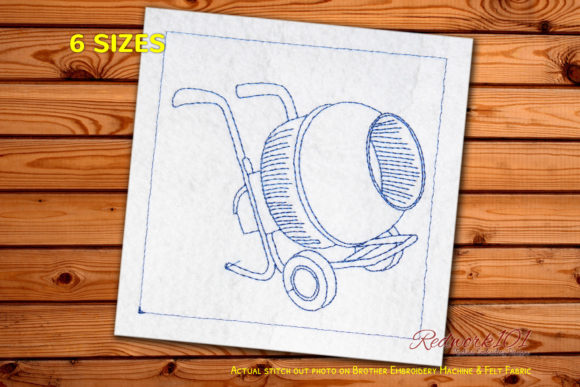
The description notes that the Box Stitch shown in the picture is optional. This is a crucial detail for production flexibility. It means you can adapt the embroidery file to fit different items without being constrained by a rigid border. The note about the outer box color being different in most designs unless part of the design itself suggests that you have creative control over the final look. You can skip the color direction if it clashes with your fabric, allowing for better brand consistency across your small shop product line.
Product Versatility and Market Fit
To determine if Cement Mixer is worth your thread and time, we must look at where it shines. I tested this concept mentally against several standard handmade product categories.
- Apron Embroidery: This is perhaps the strongest application. A heavy-duty canvas apron with a cement mixer motif speaks directly to the target demographic. It transforms a utility item into a badge of honor.
- Tote Bag Design: For a rugged canvas tote, this design works well as a focal point. It adds value to a simple bag, turning it into a useful gift for a partner or family member in the construction trade.
- Tea Towel Embroidery: While possible, caution is needed here. The theme might feel disjointed on a delicate kitchen towel unless marketed specifically as a "workshop kitchen" item.
- Embroidered Patch: If the design scales down well, it makes an excellent iron-on or sew-on patch. Patches are low-cost, high-margin items that draw eyes to a booth display.
- Caps and Hats: Curved surfaces are tricky. If the design is wide, it may distort on a cap front. However, if simplified, it could work for a structured trucker hat.
For Etsy seller accounts, this design offers a niche advantage. While floral and monogram designs are saturated, trade-specific digital embroidery file options are less common. This allows you to target specific keywords and reach buyers looking for unique, personalized gifts for fathers, husbands, or colleagues.
Production Practicalities and Technical Notes
Before running a batch for a weekend market, you must address the technical realities of the Cement Mixer design. Since the exact stitch count and file format are not provided in the brief description, you must check these details in your software before production. Here are the critical factors to evaluate:
- Stitch Density: Industrial themes often rely on solid fills to convey weight and durability. Check the stitch density to ensure it does not become too thick, which can cause puckering on lighter fabrics like cotton tea towels.
- Fabric Texture: This design will perform best on medium-to-heavy weight fabrics. Denim, canvas, and twill provide the stability needed for bold lines. Avoid sheer or loosely woven materials where the stitches might pull or gap.
- Thread Colors: Contrast is key. Use high-visibility thread colors like safety orange, yellow, or bright white against dark navy or charcoal fabrics. This ensures the design is readable from a distance, which is vital for booth traffic.
- Stabilizer Choice: Given the potential for dense areas, use a cut-away stabilizer for stretchy fabrics like t-shirts or caps, and a tear-away for stable woven fabrics like aprons. This prevents distortion after washing.
- Hoop Size: Confirm the required hoop size. If the design is large, you may need a 5x7 or 6x10 hoop. Ensure your machine can handle the dimensions without re-hooping, which risks alignment errors.
Pay special attention to the optional Box Stitch. If you choose to include it, ensure it aligns perfectly with the main motif. If you skip it, check that the edges of the design are clean and do not look unfinished. The description mentions you can skip the color direction if the outer box is not part of the design itself. Use this freedom to simplify the design for faster production times, which is essential when creating inventory for commercial embroidery runs.
Maximizing Sales and Customer Engagement
How does Cement Mixer affect your bottom line? It enhances visual appeal by breaking the monotony of typical craft fair offerings. It signals that your brand understands diverse interests beyond traditional decor. To leverage this:
Create a printable mockup or a physical sample displayed prominently. Place it next to complementary items like tool organizers or rugged coasters. The design acts as a conversation starter. Customers who see it will often share stories about their own work or the person they are buying for, increasing engagement time at your booth.
For online listings, use high-quality photos that show the texture of the stitches. Highlight the durability of the finished product. Mention that the design is optimized for clarity and longevity. If you are selling the design assets themselves, emphasize the flexibility of the optional box and color variations. This appeals to other makers who want customization options.
Final Designer Recommendations
Always test the Cement Mixer design on scrap fabric before committing to final products. Check for thread breaks, tension issues, and overall clarity. Compare how it looks on different fabric colors to build a cohesive collection. Remember, while the design is robust, tiny details can get lost if scaled down too far. Keep it legible.
Finally, confirm commercial licensing terms. If you are buying this as a digital embroidery file, ensure you have the right to sell the finished product physically. With proper preparation, Cement Mixer is a solid addition to a Work-themed collection, offering both aesthetic appeal and practical versatility for the modern embroidery business.