Ballet Slippers Embroidery: A Designer’s Craft Fair Review
As an embroidery designer who spends half my life digitizing and the other half standing behind a craft fair table, I look at every new machine embroidery design with a critical eye. It is not enough for a motif to be cute; it has to sell. When I first loaded the Ballet Slippers file onto my machine, I was looking for that specific blend of charm and versatility that defines a bestseller in the Dance category. This review is written from the trenches of handmade business, focusing on how this design performs when turned into tangible craft fair product inventory.
First Impressions: Elegance Meets Playfulness
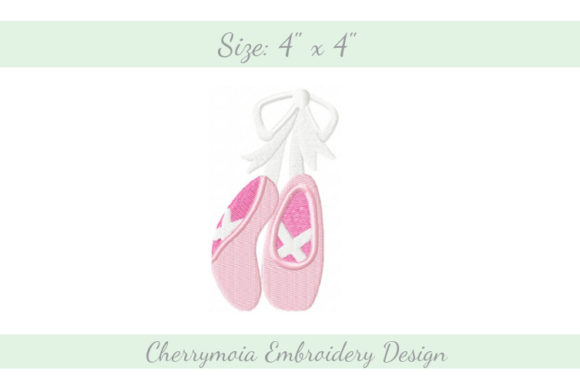
The immediate visual impact of the Ballet Slippers design is one of soft elegance. It does not scream for attention with aggressive boldness; rather, it invites the viewer in with a sense of nostalgia and grace. For a handmade product line, this is crucial. It feels decorative yet minimal enough to fit into modern aesthetics. The design captures the essence of ballet without being overly complex, making it accessible to everyone from serious ballerinas to parents buying gifts for young dancers. In a booth setting, this "soft" appeal works wonders because it complements rather than overwhelms the fabric it sits on.
Product Versatility: From Totes to Tea Towels
The true test of any digital embroidery file is its adaptability. Based on the description, this design is marketed for bags, hats, apparel, and home decor. Here is how I see it performing across different mediums:
- Tote Bag Design: This is arguably the strongest application. A canvas tote with Ballet Slippers embroidered on the corner or center sells itself to dance moms and students alike. It transforms a basic bag into a specialized accessory.
- Apron Embroidery: Placing this design on a bistro-style apron creates an instant heirloom feel. It appeals to those who love the intersection of domestic arts and performance arts.
- Tea Towel Embroidery: Kitchen textiles are high-volume sellers. The design’s likely clean lines ensure it remains legible even on textured linen or cotton towels, provided the stitch count is appropriate for the fabric weave.
- Embroidered Patch: If you are targeting a younger demographic or looking to create low-commitment items, turning this into an iron-on or sew-on patch is a smart move. Patches are excellent impulse buys at craft fairs.
- Caps and Hats: Curved surfaces are tricky. If the design is compact, it works beautifully on the front panel of a dad hat. However, you must ensure the digitizing accounts for the curve to prevent puckering.
Production Practicality for the Small Shop Product
For an Etsy seller or boutique maker, time is money. The Ballet Slippers design appears to be optimized for efficiency. When evaluating a design for batch production, I look for consistent stitch paths and minimal jump stitches. A design that runs smoothly means less trimming and faster turnover. If this file allows for quick hooping and unhooping, it becomes a staple in your commercial embroidery workflow. It serves as an excellent anchor piece for a collection, allowing you to create coordinated sets—such as a matching towel and apron set—that increase average order value.
Visual Appeal and Customer Attention
In a crowded market, visual clarity is king. This design stands out because it is instantly recognizable. Customers do not have to squint to understand what they are looking at. This immediate comprehension reduces the cognitive load for the buyer, leading to faster purchasing decisions. Furthermore, the aesthetic lends itself well to photography. Whether you are creating a printable mockup for your online store or staging a physical display, the silhouette of ballet slippers photographs beautifully against neutral backgrounds, enhancing the perceived value of the finished product.
Careful-Use Notes and Technical Considerations
While the design is versatile, there are technical nuances to consider before you start stitching your entire inventory. Every embroidery file has its quirks, and understanding them prevents wasted materials.
- Stitch Density: Check the density settings. If the design is too dense for lightweight fabrics like chiffon or thin cotton, it may cause puckering. Always use the appropriate stabilizer to counteract pull.
- Fabric Texture: On highly textured towels, fine details can get lost. Ensure that the thread colors contrast sufficiently with the background fabric to maintain visibility.
- Small Lettering and Details: If the design includes tiny elements, test them on scrap fabric first. What looks crisp on screen may merge together when stitched out on thick denim or fuzzy fleece.
- Dark Fabric: If stitching on black or navy, consider using a lighter thread color or adding an underlay to ensure the design pops. Dark fabrics can sometimes swallow darker thread shades, reducing the impact of the Ballet Slippers motif.
- Size Scalability: Be cautious about resizing significantly. Embroidery designs are digitized for specific dimensions. Shrinking it too much may cause thread breaks or loss of detail, while enlarging it may expose gaps in the stitching.
Designer’s Checklist for Success
Before you list this as a premium item in your shop, follow these practical steps to ensure quality control. As a professional, I never skip the testing phase.
- Test on Scrap Fabric: Never stitch a new design directly on your final product. Use a similar fabric scrap to check tension and alignment.
- Check Thread Contrast: Experiment with different thread colors. Pastels may look soft and traditional, while metallic threads could add a festive, premium touch.
- Confirm Hoop Size: Verify that the design fits comfortably within your standard hoop. Leaving adequate margin prevents edge strikes and ensures a professional finish.
- Inspect Stitch Density: Look for areas where stitches overlap excessively. Trimming jump stitches and securing loose ends is part of delivering a high-quality handmade product.
- Create a Real Mockup: Take photos of the actual stitched item. Digital design assets are useful, but customers trust real-life images more. Show the texture of the thread and the drape of the fabric.
- Verify Commercial Licensing: Since the description mentions it is perfect for various products, ensure you have the rights to sell finished goods. Most designers allow this, but always confirm the terms before launching your small shop product line.
Final Verdict for Craft Fair Sellers
The Ballet Slippers embroidery design is a strong contender for any creator focused on the Dance niche. It balances aesthetic appeal with production practicality. For craft fair sellers, it offers the flexibility to create a wide range of items, from low-cost impulse buys like patches to higher-ticket items like embroidered tote bags. Its ability to convey emotion and identity makes it a powerful tool for brand consistency. By paying attention to fabric choice, stabilizer selection, and presentation, you can leverage this design to boost buyer engagement and drive sales. It is not just a pattern; it is a vehicle for connecting with customers who share a passion for ballet and handmade quality.