Easter Bunny Carrying Egg Redwork Design Review
As an embroidery designer who has spent years digitizing and testing files for commercial use, I approach every new machine embroidery design with a critical eye. It is not just about whether the image looks cute on a screen; it is about how that design performs when stitched out on real fabric, under the pressure of a production deadline, for a client who needs their brand to look professional. Today, I am reviewing the Easter Bunny Carrying Egg Redwork Design. This piece is specifically targeted at small business owners, apparel decorators, and handmade brands looking to capitalize on seasonal trends without sacrificing quality.
First Impressions: Visual Personality and Brand Fit
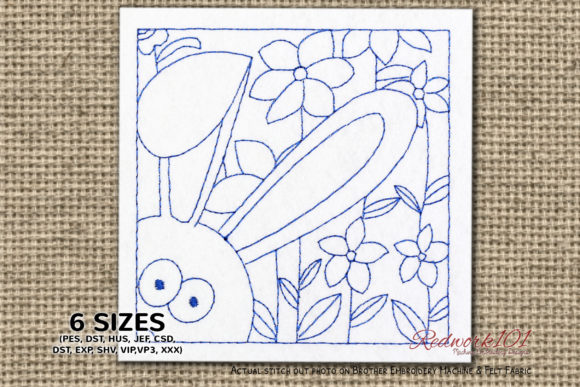
The first thing that strikes me about the Easter Bunny Carrying Egg Redwork Design is its simplicity. In the world of commercial embroidery, simple is often synonymous with scalable. The redwork style, traditionally characterized by single-color stitching, offers a rustic, handmade aesthetic that feels authentic rather than mass-produced. For a boutique, a local bakery, or a florist, this visual personality is invaluable. It signals craftsmanship.
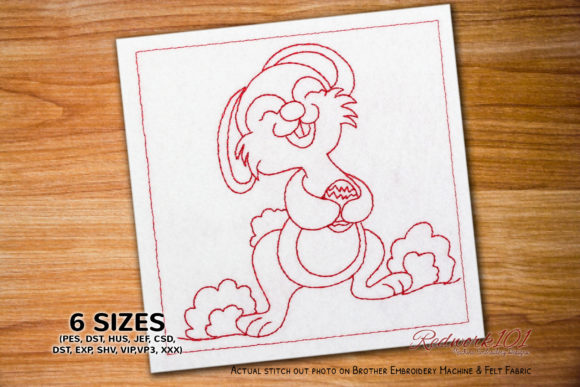
The design features a bunny carrying an egg, a classic motif that immediately communicates the Easter season. However, because it relies on clean lines rather than complex fills, it avoids the clutter that often plagues holiday-themed graphics. This makes it versatile. It does not scream "discount store"; instead, it whispers "artisanal care." For brands building a identity around warmth, tradition, and community, this design aligns perfectly with those values. It feels friendly and approachable, yet structured enough to maintain professionalism on staff uniforms or premium packaging.
Real-World Applications for Small Business Merch
When I evaluate a digital embroidery file for business use, I ask: where can this live? The Easter Bunny Carrying Egg Redwork Design shines in several specific applications for small business merch.
- Embroidered Patches: This is perhaps the strongest use case. Because redwork designs typically have lower stitch density than full-fill logos, they create a lighter, more flexible patch. These can be ironed or sewn onto denim jackets, canvas totes, or limited-edition aprons. A patch allows customers to buy into the brand identity without committing to a full garment.
- Apron Embroidery: For cafes and bakeries, branded aprons are walking advertisements. Placing this bunny design on the chest pocket or the upper left chest creates a subtle, charming accent. It adds a seasonal touch to staff uniforms without overwhelming the overall look.
- Tote Bag Design: Canvas tote bags are a staple for retail shops. The linear nature of redwork stitches beautifully on textured canvas. It provides a high-contrast, visible mark that enhances the perceived value of a simple cotton bag, turning it into a desirable handmade product.
- Cap Embroidery: While caps require careful placement, a simplified version of this design could work well on the side panel or as a small front-center logo, provided the scale is adjusted correctly.
Furthermore, this design serves as an excellent asset for customer gifts. Imagine a local pet brand including a small embroidered tag with this design on a seasonal treat bag. It elevates the unboxing experience and reinforces brand recognition through consistent, high-quality design assets.
Technical Considerations and Placement Strategy
While the aesthetic appeal is strong, we must discuss the technical execution. The product description notes that "The Box Stitch shown in the picture is optional" and that "The color of the outer box is a different color in most of the designs unless it is part of the design itself, you can skip th[is]." This is a crucial detail for production efficiency.
Skipping the optional box stitch can significantly reduce run time and thread usage, which is vital for commercial embroidery margins. However, you must ensure that removing the box does not compromise the structural integrity of the design or its visual balance. I recommend running test stitches both with and without the box to see which yields a cleaner finish on your specific fabric.
There are areas where you must use caution. Stitch density in redwork is generally low, but if the lines are too close together, they can cause fabric puckering, especially on lightweight materials like silk or thin cotton blends. Always use an appropriate stabilizer. For knits or stretchy fabrics used in t-shirts, a cut-away stabilizer is non-negotiable to prevent distortion after washing.
Additionally, consider the hoop size relative to the design. If you are shrinking this design for a small patch or a sleeve detail, ensure the details remain distinct. If the bunny’s ears or the egg shape become blobby due to excessive reduction, the design loses its charm. Always check the smallest intended size on a scrap piece of fabric before committing to a full production run.
Impact on Brand Identity and Customer Trust
Consistency is the cornerstone of brand trust. Using a cohesive set of seasonal designs like the Easter Bunny Carrying Egg Redwork Design helps maintain visual consistency across your product line. When a customer sees the same high-quality embroidery on an apron, a tote, and a patch, it reinforces the perception of a professional, established business.
This design enhances brand identity by adding a layer of emotional connection. Easter is associated with renewal and joy. By incorporating this imagery into your custom apparel or merchandise, you are tapping into those positive emotions. It makes your brand feel more human and less corporate. For Etsy sellers and crafters, this emotional resonance drives buyer engagement. Customers are not just buying a bag; they are buying a feeling of springtime warmth and artisanal quality.
Moreover, a well-executed embroidered design increases the perceived value of the finished product. A plain white tote might sell for $10, but one with a crisp, professionally stitched Easter bunny can command $25 or more. The embroidery acts as a signal of quality and effort, justifying a higher price point and improving profit margins.
Practical Designer Notes for Production
Before you load this file into your machine for a large order, follow these practical steps to ensure success:
- Test in Black and White First: Before selecting your seasonal thread colors, stitch the design out in black thread on white fabric. This allows you to inspect the line quality, spacing, and any potential jumps or trims without the distraction of color. It helps you identify if the design needs editing for better flow.
- Check Thread Color Contrast: Since this is a redwork-style design, contrast is key. Ensure your chosen thread color stands out against the fabric. If you are using dark uniforms, consider using a lighter thread or adding a satin stitch border to make the design pop.
- Create a Printable Mockup: Use digital tools to place the design on photos of your actual products. This helps you visualize scale and placement. Share this printable mockup with clients for approval before stitching, reducing the risk of costly errors.
- Verify Commercial Licensing: Always confirm the license terms associated with the embroidery file. Ensure you have the right to use it for physical goods sold in your shop. Do not assume; read the terms provided by the designer.
- Fabric Texture Matters: Test the design on the exact fabric you intend to use. Textured fabrics like terrycloth or heavy canvas may require adjustments in pull compensation or stabilizer type to ensure the lines remain crisp.
In conclusion, the Easter Bunny Carrying Egg Redwork Design is a solid addition to any seasonal collection for small businesses. It balances charm with technical simplicity, making it suitable for a wide range of applications from patches to aprons. By paying attention to stabilizer choice, scale, and placement, you can leverage this design to create high-value merchandise that strengthens your brand identity and delights your customers. Remember, the goal is not just to decorate a product, but to enhance the brand story through every stitch.