Cancer Plant Redwork Design Review
As an embroidery designer who has spent countless weekends behind a craft fair table, I have learned that not every machine embroidery design translates into a bestseller. Some designs are technically impressive but visually quiet; others are bold but impractical for production. When I first loaded the Cancer Plant Redwork Design onto my machine, I was looking for that specific spark—the kind of visual hook that stops a browser in their tracks and makes them pull out their wallet. This review is written from the perspective of someone preparing a booth display, evaluating whether this Single Flowers style piece belongs in your next collection of handmade product offerings.
First Impressions and Aesthetic Appeal
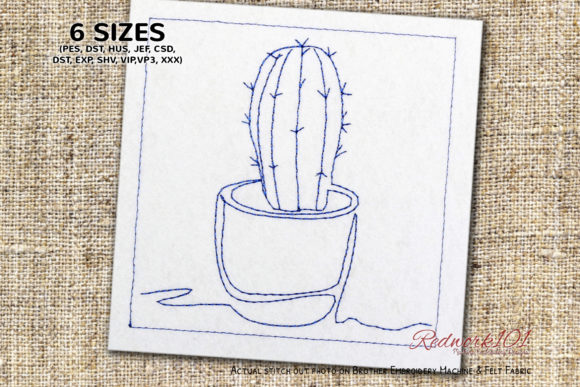
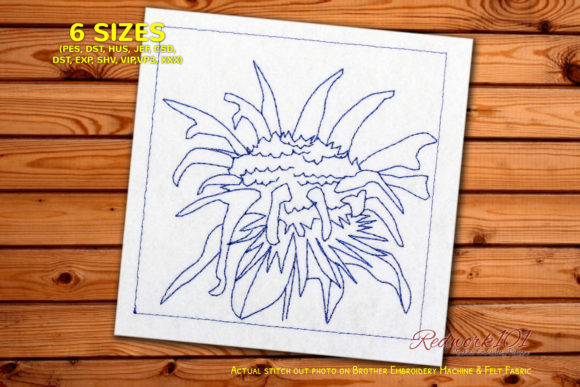
The immediate impression of the Cancer Plant Redwork Design is one of rustic charm mixed with botanical precision. Redwork, by its nature, relies on a single thread colors scheme against a neutral background, creating a high-contrast look that feels both vintage and modern. This particular design captures the delicate structure of the plant without becoming overly dense. It does not scream for attention with neon brightness; instead, it invites closer inspection. For a craft fair seller, this is crucial. You want items that look premium and thoughtful, not cluttered.
The aesthetic leans heavily toward the farmhouse and cottage-core markets, which remain incredibly strong for Etsy seller niches and local boutique makers. The simplicity of the red stitch work against white or cream fabric suggests elegance and cleanliness. It feels decorative yet minimal, making it versatile enough to fit into various home decor styles. When assessing design assets for a new season, I look for versatility, and this design offers a soft, approachable vibe that appeals to a wide demographic, from young adults buying their first apartment to older collectors of traditional needlework.
Product Application and Market Fit
Where does this design actually sell? In my experience, the Cancer Plant Redwork Design shines brightest on flat, light-colored surfaces. I immediately envisioned it as a tote bag design. A natural canvas tote with this botanical motif centered on the front is a classic craft fair product. It is easy to produce in batches, and the red stitching pops beautifully against the beige canvas. Similarly, this is an ideal candidate for tea towel embroidery. Kitchen linens are impulse-buy staples at markets, and a set of two towels featuring this plant creates an instant gift set.
I also see strong potential for apron embroidery. A half-apron made from linen or cotton duck, featuring this design on the bib or pocket, elevates a simple garment into a finished product that feels artisanal. For those selling embroidered patch items, this design could be digitized or stitched onto felt backings, though one must be careful with the edges. However, I would hesitate to place this on curved surfaces like caps unless the digitizing is specifically adjusted for that hoop size and curvature. The fine lines might distort on the stiff, curved front of a baseball cap.
For small shop product lines, consider pillow covers. A square linen cushion with the plant centered creates a sophisticated look that can command a higher price point than a tote bag. It transforms the item from a utility object to a piece of home decor. If you are creating printable mockup images for your online store, this design photographs exceptionally well because the high contrast ensures clarity even in thumbnail views.
Production Practicality and Stitch Quality
From a production standpoint, efficiency is key. The description notes that "The Box Stitch shown in the picture is optional." This is a significant advantage for batch production. By skipping the outer box, you reduce run time and thread usage, allowing you to churn out more units per hour. This flexibility is vital for commercial embroidery where margins matter. The redwork style generally implies lower stitch density compared to satin-stitch heavy designs, which means less puckering and faster stabilization.
However, there are careful-use notes to consider. Redwork relies entirely on line quality. If your tension is off, or if you use a low-quality thread, the design will look jagged rather than elegant. I strongly advise testing the design on scrap fabric that matches your final product. Check the fabric texture; highly textured towels might swallow the fine lines of the plant, reducing visibility. On smooth cotton or linen, the definition remains crisp. Also, ensure you are using the correct stabilizer. A cut-away stabilizer is often overkill for redwork on stable fabrics; a tear-away might suffice, but test it to ensure the fabric does not shift during stitching.
One critical detail mentioned is that "The color of the outer box is a different color in most of the designs unless it is part of the design itself, you can skip the color direc." This implies that the file may have color stops that need manual adjustment in your software. Before starting a production run, open the digital embroidery file in your editor. Confirm that the color changes make sense for your chosen thread palette. If you are stitching on dark fabric, this design will fail unless you switch to a light-colored thread, but redwork traditionally demands light backgrounds. Stick to whites, creams, and light grays for the best visual impact.
Visual Impact and Brand Consistency
In a crowded craft fair aisle, visual cohesion draws customers in. The Cancer Plant Redwork Design helps build a consistent brand identity if you are aiming for a botanical or heritage aesthetic. It does not clash with other floral designs; rather, it complements them. When arranging your booth display, group items featuring this design together. The repetition of the red stitch creates a visual rhythm that guides the eye across your table.
Customer engagement increases when they can understand the design at a glance. Complex, multi-colored designs sometimes require explanation, but this Embroidery piece is self-explanatory. It reads as "plant," it reads as "handmade," and it reads as "quality." This immediate comprehension reduces friction in the buying process. For online listings, use the clarity of the design to your advantage. Close-up shots showing the neatness of the stitches prove your skill level, justifying higher prices.
Final Designer Notes for Sellers
Before you commit to a large inventory, take these practical steps. First, verify the hoop size requirements. Ensure the design fits comfortably within your standard hoop without needing excessive re-hooping, which slows down production. Second, check the licensing. While many designers allow commercial use for finished physical goods, always confirm the terms for the specific embroidery file you purchase. Do not assume; read the license.
Create at least one real mockup. Stitch the design on the exact fabric you plan to sell. Wash it. Iron it. See how it holds up. If the threads bleed or the fabric shrinks unevenly, you need to know before you sell a handmade product to a customer. Finally, consider the season. Botanical designs sell year-round, but they peak in spring and summer. Plan your marketing accordingly.
The Cancer Plant Redwork Design is a solid addition to a curated collection. It balances aesthetic appeal with production efficiency. For the craf fair veteran or the new Etsy seller, it offers a reliable, attractive option that respects the tradition of redwork while fitting seamlessly into modern handmade markets. With proper attention to fabric choice and stitch quality, this design can become a staple in your product lineup.