Review: Wooden Christmas House with Tree Redwork
As an embroidery designer who has spent years digitizing and testing patterns for small businesses, I approach every new machine embroidery design with a critical eye. It is not just about whether the stitches look good on a screen; it is about how the design performs on actual fabric, how it appeals to customers, and whether it holds up as a durable, cherished item. Recently, I tested the Wooden Christmas House with Tree Redwork for a potential line of personalized holiday gifts, and I want to share my practical insights with fellow crafters, Etsy sellers, and handmade shop owners.
First Impressions: Charm and Simplicity
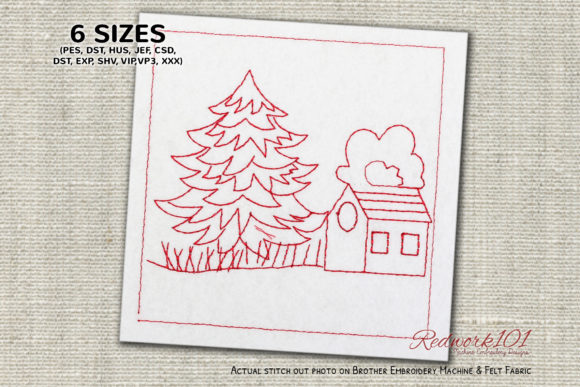
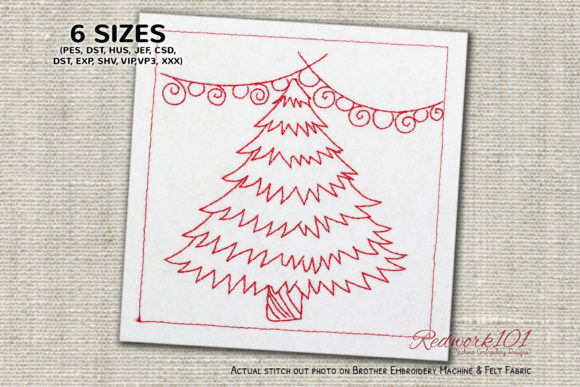
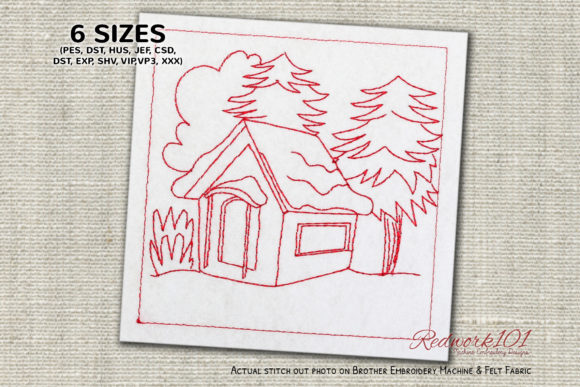
The moment I loaded the Wooden Christmas House with Tree Redwork into my software, I was struck by its understated elegance. In a market often saturated with overly complex, high-density designs, this pattern offers a refreshing return to simplicity. The redwork style—traditionally stitched in a single color, usually red, on white or natural fabric—evokes a sense of nostalgia and timeless warmth. It feels sweet, classic, and distinctly handmade.
The motif itself, featuring a cozy wooden house accompanied by a simple tree, carries a strong emotional appeal. It does not scream for attention; rather, it invites a closer look. For customers seeking a personalized gift that feels authentic rather than mass-produced, this aesthetic is incredibly powerful. It bridges the gap between modern minimalism and traditional holiday cheer, making it versatile for various demographics, from young parents decorating a nursery to grandparents looking for a meaningful keepsake.
Versatility Across Product Lines
One of the strongest assets of this design is its adaptability. During my testing phase, I explored how the Wooden Christmas House with Tree Redwork would perform across different product categories. Here is where I found it shines brightest:
- Kitchen Linens: This is perhaps the most natural fit. An embroidered towel or apron featuring this house creates an instant focal point. The redwork tradition is deeply rooted in kitchen textiles, so customers immediately recognize the quality and style.
- Nursery and Baby Items: For baby embroidery, simplicity is key. Complex designs can feel heavy on delicate fabrics. This design’s clean lines work beautifully on muslin swaddles, crib sheets, or organic cotton onesies. It adds a touch of seasonal whimsy without overwhelming the soft texture of baby clothes.
- Home Decor: I tested the design on linen pillow cover inserts and canvas tote bags. The contrast of the red thread against natural fibers creates a sophisticated look that fits well in rustic or farmhouse-style interiors. It also serves as an excellent accent for holiday-themed blanket embroidery projects.
- Wedding and Keepsake Gifts: While primarily a Christmas theme, the "home" motif resonates year-round. For a winter wedding or a housewarming gift during the holiday season, this design can be personalized with a family name or date, transforming it into a lasting heirloom.
Technical Considerations for Makers
While the design is visually appealing, successful execution requires attention to technical details. As a professional, I always advise checking specific file specifications before starting a production run. Since the product description notes that the box stitch is optional and colors may vary, you must verify the hoop size and stitch density in your specific software.
Here are critical steps I recommend for anyone using this digital embroidery file:
- Fabric Selection: Redwork relies heavily on contrast. It looks stunning on white, cream, or light gray fabrics. Be cautious with dark fabrics unless you are prepared to change thread colors significantly. Also, consider the fabric texture. Tight-weave cottons and linens yield the crispest results. Avoid highly textured towels where small details might get lost in the loops.
- Stabilizer Choice: Even though redwork is generally low-density, proper stabilization is non-negotiable. Use a cut-away stabilizer for stretchy fabrics like baby knits to prevent distortion over time. For woven towels or pillowcases, a tear-away may suffice, but test first to ensure no puckering occurs around the house’s outline.
- Test Stitching: Always stitch out a sample on scrap fabric identical to your final product. Check the alignment of the tree relative to the house. Ensure that any optional box stitches align perfectly if you choose to include them. This step saves wasted materials and ensures customer satisfaction.
- Thread Quality: Since the design uses limited colors, the quality of your thread is visible. Use high-sheen rayon or durable polyester threads. If selling commercially, polyester is often preferred for items that will be washed frequently, such as kitchen towels and baby blankets.
Marketing and Customer Appeal
For Etsy sellers and small shop owners, the perceived value of a product is heavily influenced by its presentation. The Wooden Christmas House with Tree Redwork photographs exceptionally well. Its clean lines allow for crisp, high-contrast images that stand out in social media feeds. When creating listings, use natural lighting to highlight the texture of the stitches against the fabric.
This design fosters an emotional connection. Customers are not just buying an embroidered item; they are buying a feeling of home and holiday warmth. By offering this as a custom embroidery option, you allow buyers to add names or dates, increasing the item's sentimental value. This personalization justifies a higher price point and reduces competition from generic, mass-produced decor.
However, be mindful of where you place the design. On curved surfaces like mugs (if using applique techniques) or tightly fitted garments, ensure the hoop placement does not distort the house’s straight lines. Additionally, if you are creating a printable mockup for your online store, ensure the digital representation accurately reflects the scale of the finished product to avoid customer disputes regarding size.
Final Verdict for Small Businesses
The Wooden Christmas House with Tree Redwork is a solid addition to any holiday collection. It balances aesthetic charm with technical manageability. For commercial embroidery purposes, its lower stitch count likely means faster production times compared to dense, filled designs, allowing you to fulfill orders more efficiently during the busy holiday rush.
Before listing this as a small shop product, confirm the licensing terms of your specific embroidery file. Ensure you have the right to sell finished products made with the design. Once cleared, this pattern offers a delightful way to connect with customers looking for meaningful, handmade holiday treasures. Whether used for a cozy wedding gift or a charming baby keepsake, it delivers the warmth and quality that define successful handmade businesses.