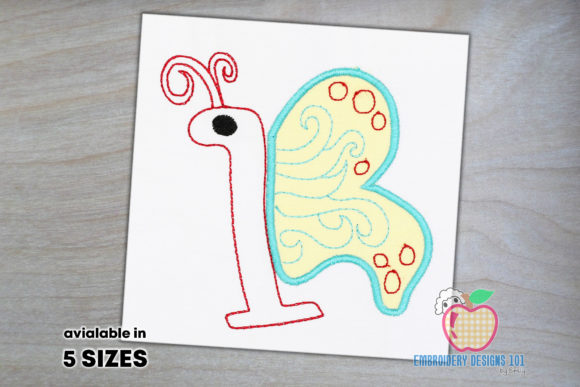
One Made As the Butterfly: A Pro Review
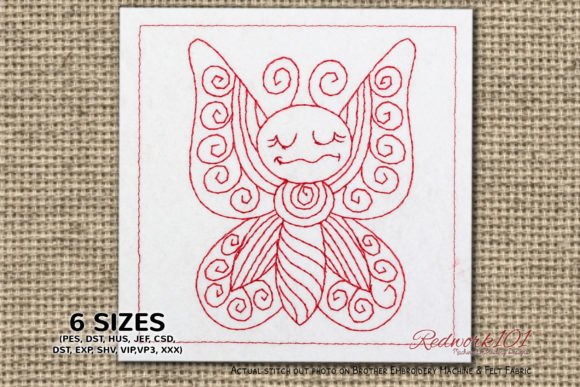
As an embroidery designer who has spent years digitizing and testing files for commercial use, I approach every new machine embroidery design with a critical eye. It is not just about whether a motif looks pretty on a screen; it is about how it performs under the needle, how it translates to fabric, and ultimately, how it serves the brand identity of the small business owner purchasing it. Today, I am reviewing One Made As the Butterfly, a piece that sits within the Bugs category but aims for something far more elegant than your standard insect clipart.
For boutique owners, Etsy sellers, and apparel decorators, finding the right digital embroidery file is akin to finding the perfect supplier. You need reliability, versatility, and aesthetic appeal. Based on the product description, this applique design comes in five sizes ranging from 4 to 8 inches, making it suitable for hoop sizes 4x4, 5x7, 6x10, 8x8, and 8x12. This range is crucial for commercial viability, allowing you to scale the artwork from a subtle chest logo to a bold back panel.
First Impressions and Visual Personality
The title One Made As the Butterfly suggests a sense of transformation and delicate beauty. In the world of Embroidery, butterfly motifs can often feel cliché or overly juvenile if not handled with care. However, when evaluating this design for professional use, the key lies in its execution as an applique. Applique techniques generally reduce stitch count and create a cleaner, flatter finish compared to dense satin stitches, which is ideal for modern branding.
Visually, this design feels premium and handmade rather than mass-produced. It strikes a balance between playful and elegant. For a creative studio, a florist, or a high-end bakery, this aesthetic aligns perfectly with a brand identity that values organic shapes and softness. It does not scream "loud"; instead, it whispers quality. This subtlety is what makes it a strong contender for small business merch where the goal is to enhance the product without overpowering it.
Real-World Applications for Small Business Merch
Let us look at how One Made As the Butterfly performs in real business scenarios. The versatility of the five included sizes allows for diverse applications across custom apparel and accessories.
- Branded Patches: The larger sizes (6x10 and 8x12) are excellent for creating standalone embroidered patches. These can be sold as add-ons or used to brand tote bags and jackets. The applique nature ensures the patch remains flexible and not overly stiff.
- Apron Embroidery: For cafes and bakeries, staff uniforms are a walking advertisement. Placing this design on the corner of a canvas apron adds a touch of whimsy and professionalism. It signals attention to detail, which customers subconsciously associate with the quality of the food or service.
- Tote Bag Design: Canvas totes are a staple for boutique retail. Using the medium sizes (5x7 or 6x10) centered on a tote creates a striking focal point. The contrast between the thread colors and the fabric texture can make the butterfly pop, turning a simple bag into a desirable handmade product.
- Cap Embroidery: While caps require careful placement, the smaller 4x4 size could work on the side panel or as a subtle accent on the front, provided the curve of the cap is accounted for during hooping.
For event merch or customer gifts, this design serves as a memorable token. It is not just a logo; it is a piece of art that recipients are likely to keep and wear, increasing brand recognition and trust.
Technical Considerations and Placement Strategy
While the aesthetic is strong, technical execution is where many projects fail. As a designer, I must advise caution in specific areas. The description notes it is an applique design, which typically means lower stitch density than full-coverage embroidery. This is generally a benefit, but it requires precise fabric handling.
When using this on dark uniforms or heavy fabrics, you must consider thread color contrast. A light-colored butterfly on a navy chef’s coat will stand out beautifully, but poor contrast can render the design invisible from a distance. Always test your thread colors against your base fabric before running a full production batch.
Furthermore, curved surfaces like cap fronts or sleeve cuffs require careful stabilization. If the fabric shifts even slightly during the applique placement step, the final look will be skewed. For items that need frequent washing, such as staff t-shirts or kitchen towels, ensure you are using a high-quality cut-away stabilizer to prevent puckering over time. The integrity of the finished product depends heavily on these behind-the-scenes choices.
Enhancing Brand Identity and Customer Trust
Why choose One Made As the Butterfly over a generic stock image? Because consistency builds trust. When your design assets share a cohesive visual language, your brand feels more professional. This butterfly motif can become a signature element of your visual identity. Imagine using it on your packaging inserts, your website headers, and your physical merchandise. This repetition creates familiarity.
For Etsy sellers and crafters, offering items with this specific embroidery can differentiate your shop. It moves your offerings from "commodity" to "curated." Customers are willing to pay a premium for items that feel thoughtful and designed. A simple tote bag becomes a statement piece; a plain hat becomes a collector's item. This perceived value is directly tied to the quality of the embroidery and the uniqueness of the design.
Practical Designer Notes for Production
Before you commit to a large run of commercial embroidery projects using this file, follow these practical steps to ensure success:
- Test in Black and White: Before selecting your final palette, stitch out the design in black thread on white fabric. This helps you evaluate the shape and spacing without the distraction of color. If the silhouette is not clear, the design will not work regardless of the thread choice.
- Check Small Patch Sizes: Use the smallest hoop size (4x4) to test legibility. Ensure that the details of the butterfly wings do not merge together. If the lines are too close, they may bridge during stitching, ruining the crispness of the applique.
- Review Hoop Size Compatibility: Confirm that your machine can handle the 8x12 hoop if you plan to use the largest size. Not all home machines support this frame, so check your equipment capabilities first.
- Create a Printable Mockup: Use digital tools to place the design on photos of your actual products. This helps you visualize scale and placement, allowing you to get client approval or make internal decisions before stitching a single thread.
- Confirm Commercial Licensing: Always verify the license terms associated with the embroidery file. Ensure you have the right to sell physical items made with this design. Most designers offer different licenses for personal vs. commercial use, so read the fine print.
In conclusion, One Made As the Butterfly is a versatile and professionally viable option for small business owners looking to elevate their merchandise. It offers the charm of a handmade aesthetic with the scalability required for commercial production. By paying attention to fabric texture, stabilizer choice, and strategic placement, you can transform this digital asset into a powerful tool for brand building. Whether used on a barista’s apron or a boutique’s tote bag, it brings a touch of refined nature to your business, enhancing customer engagement and product value.